Hello everyone,
Welcome to our web page. Please feel free to look through our page where you will find helpful information to support you and your child's journey this academic year.
We are a friendly team and always available on the school Dojo or EYFS entrance to answer any questions you may have.
Don't be shy!
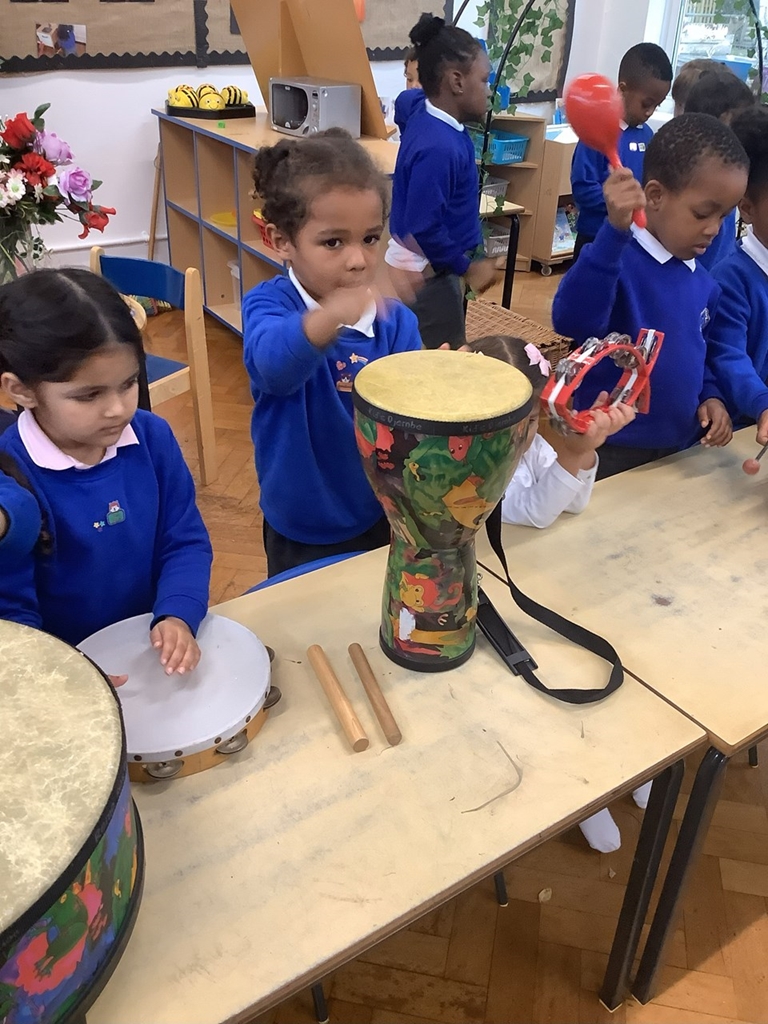
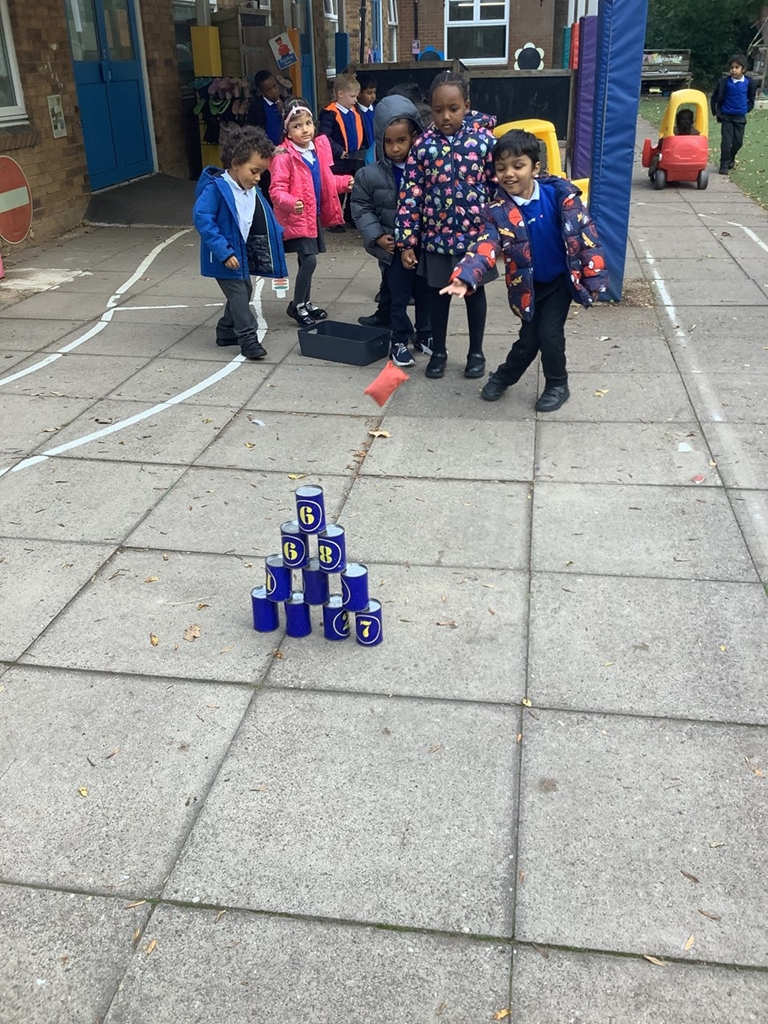
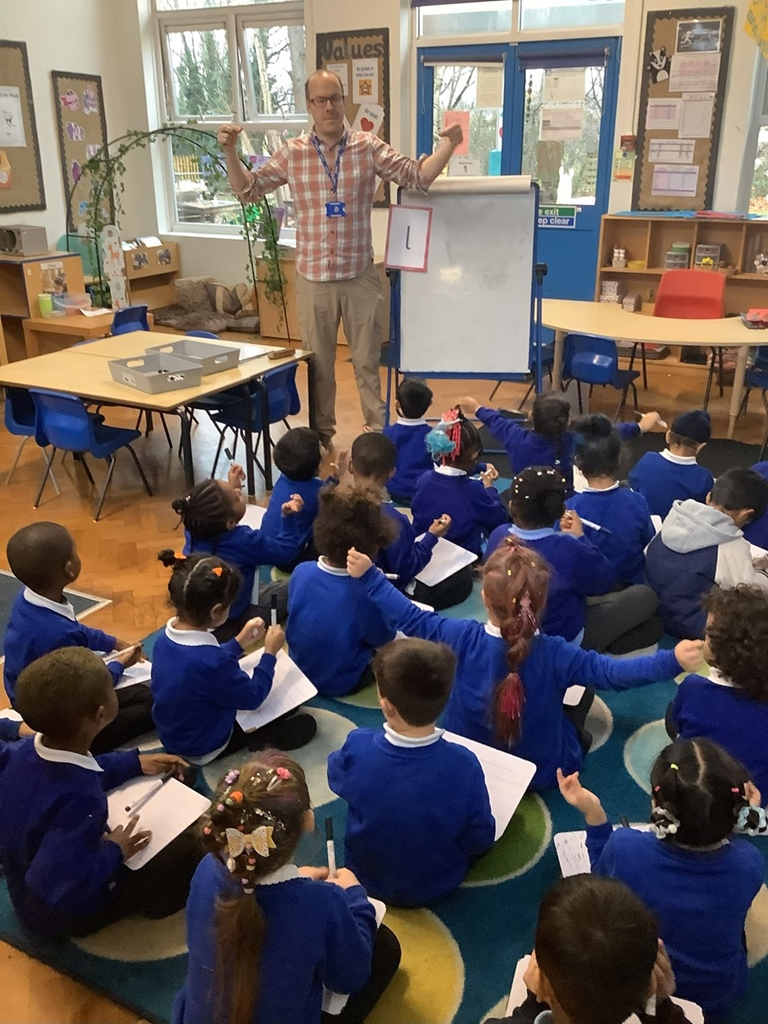
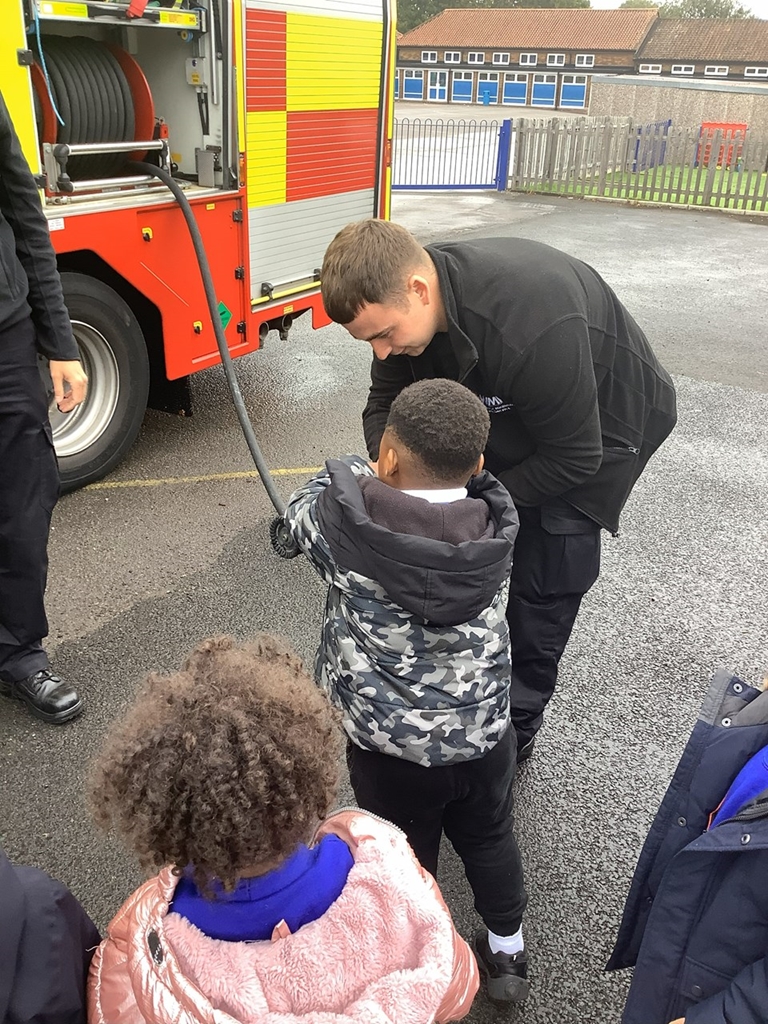
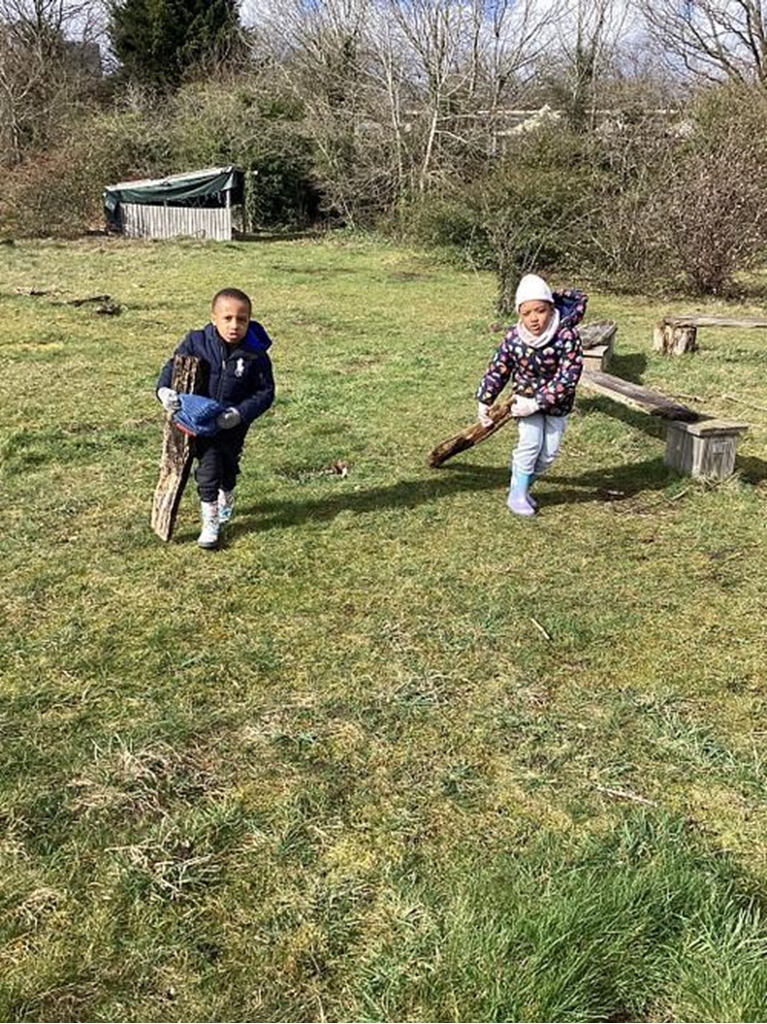
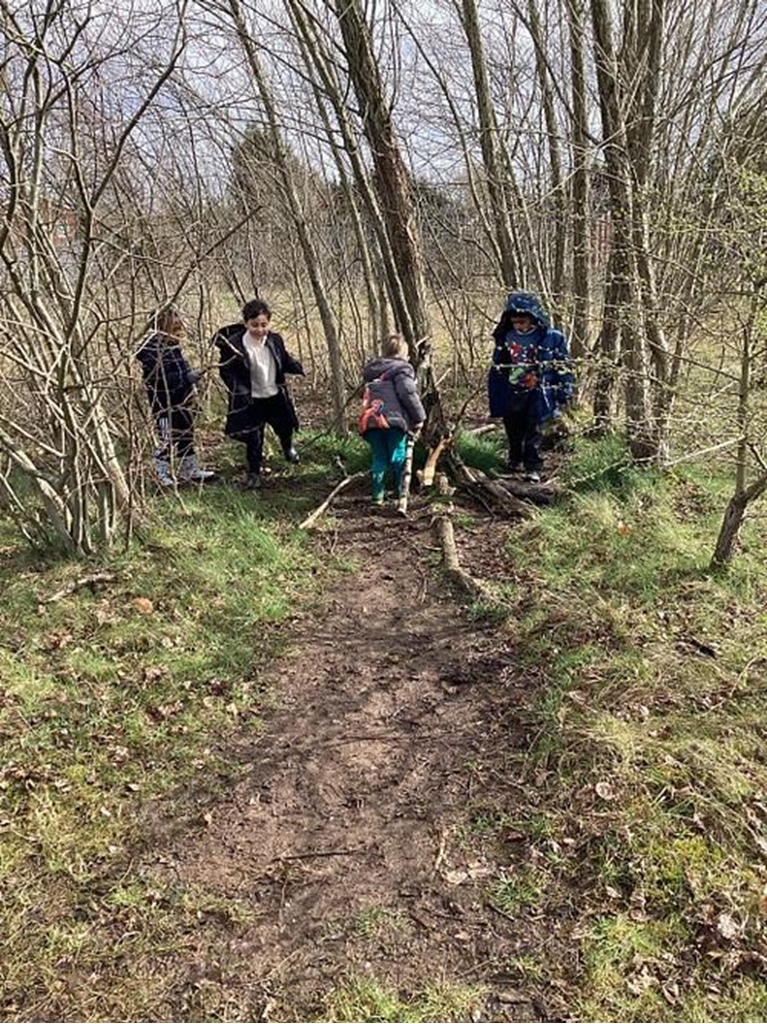
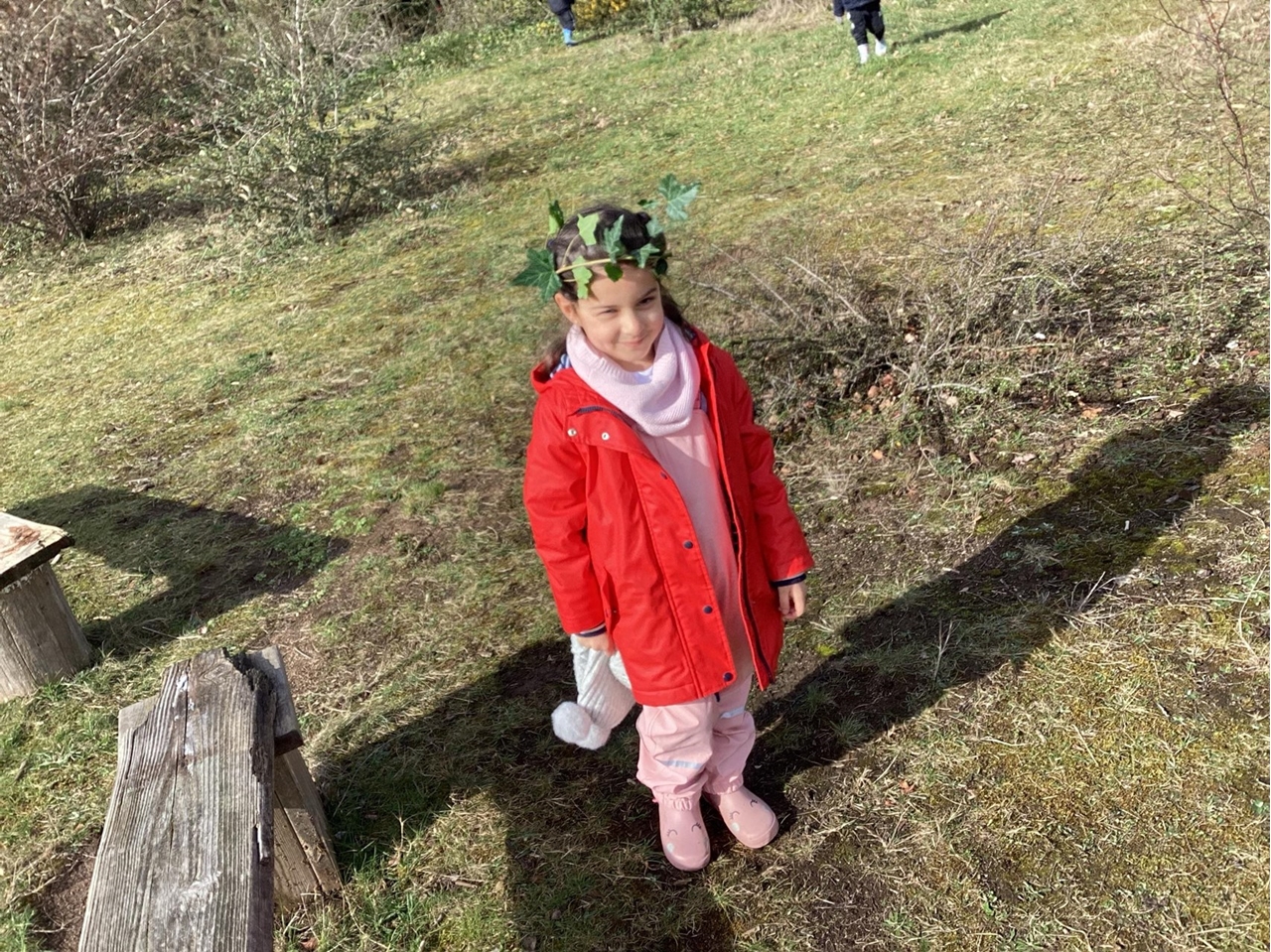
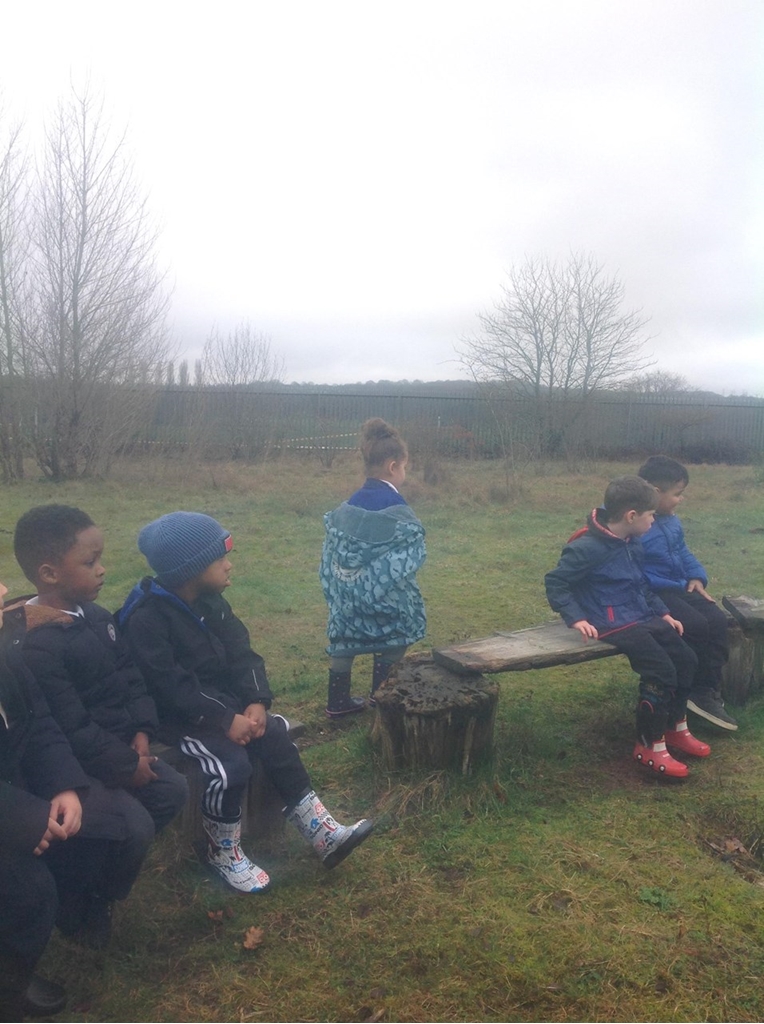
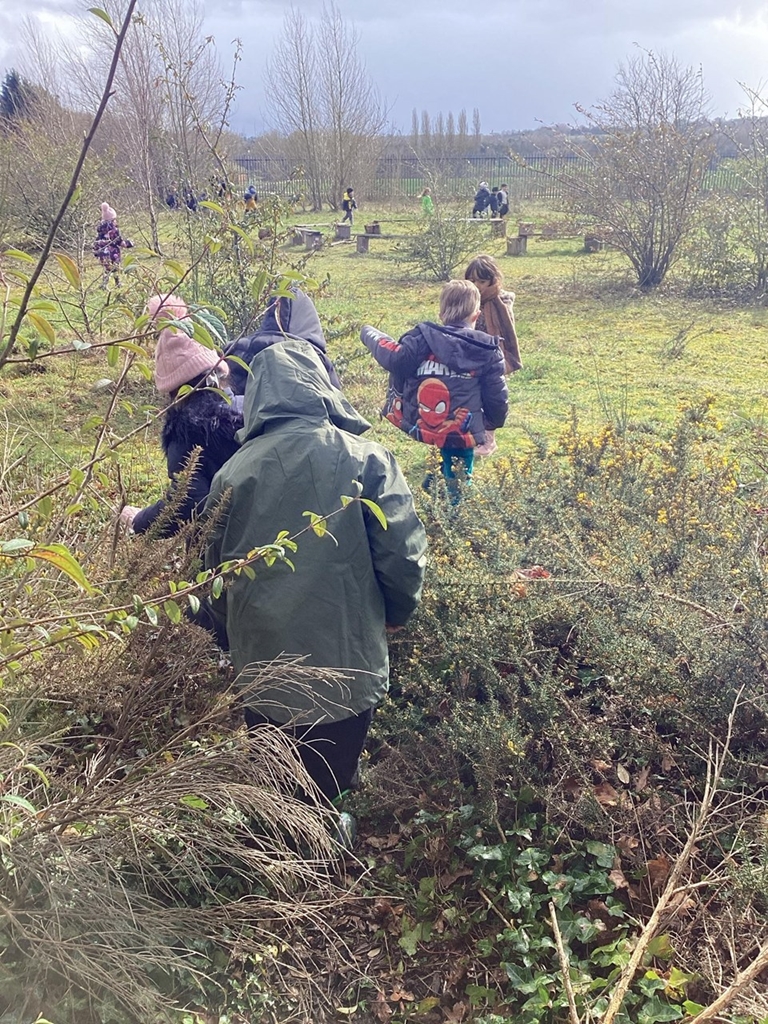
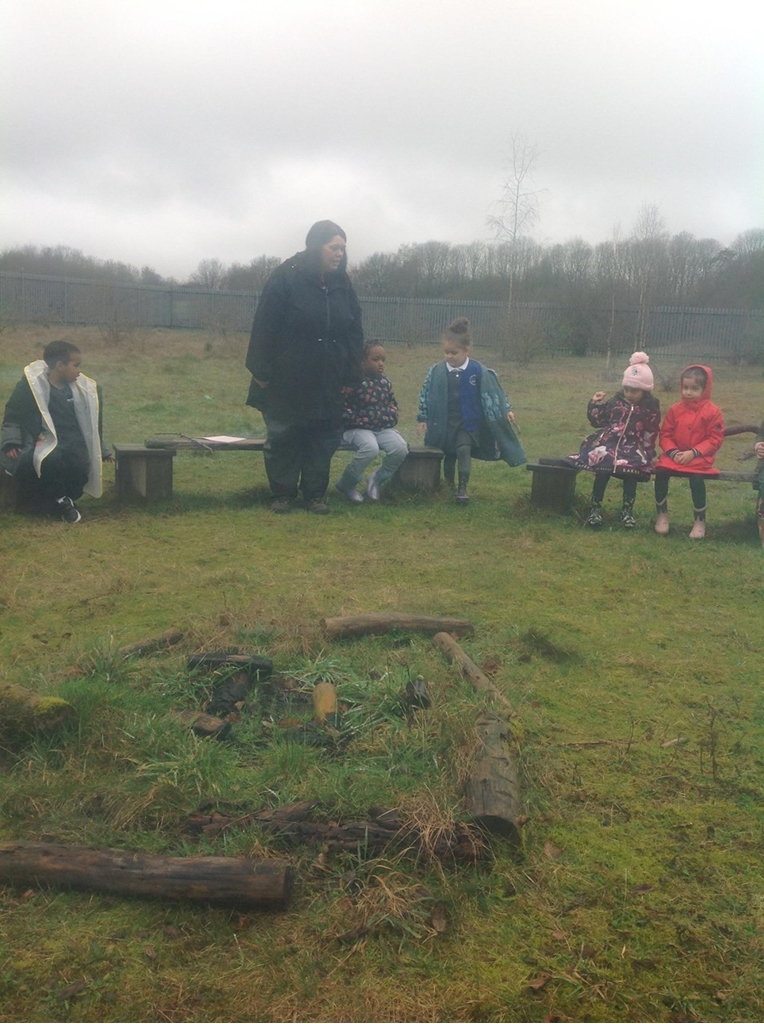
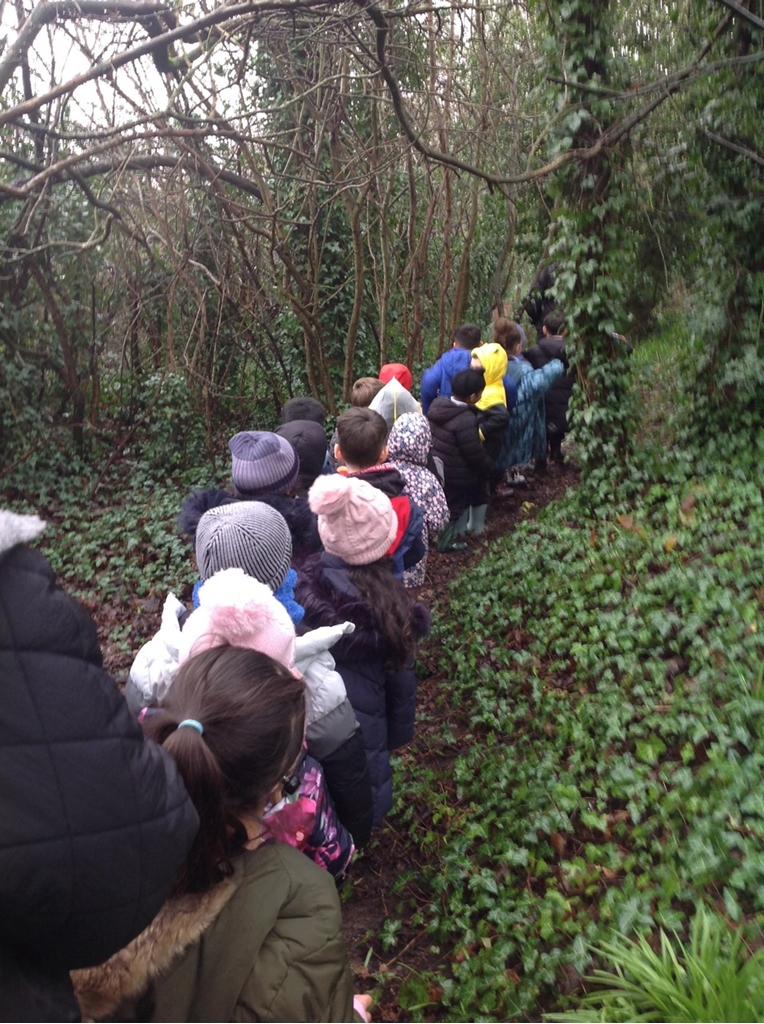
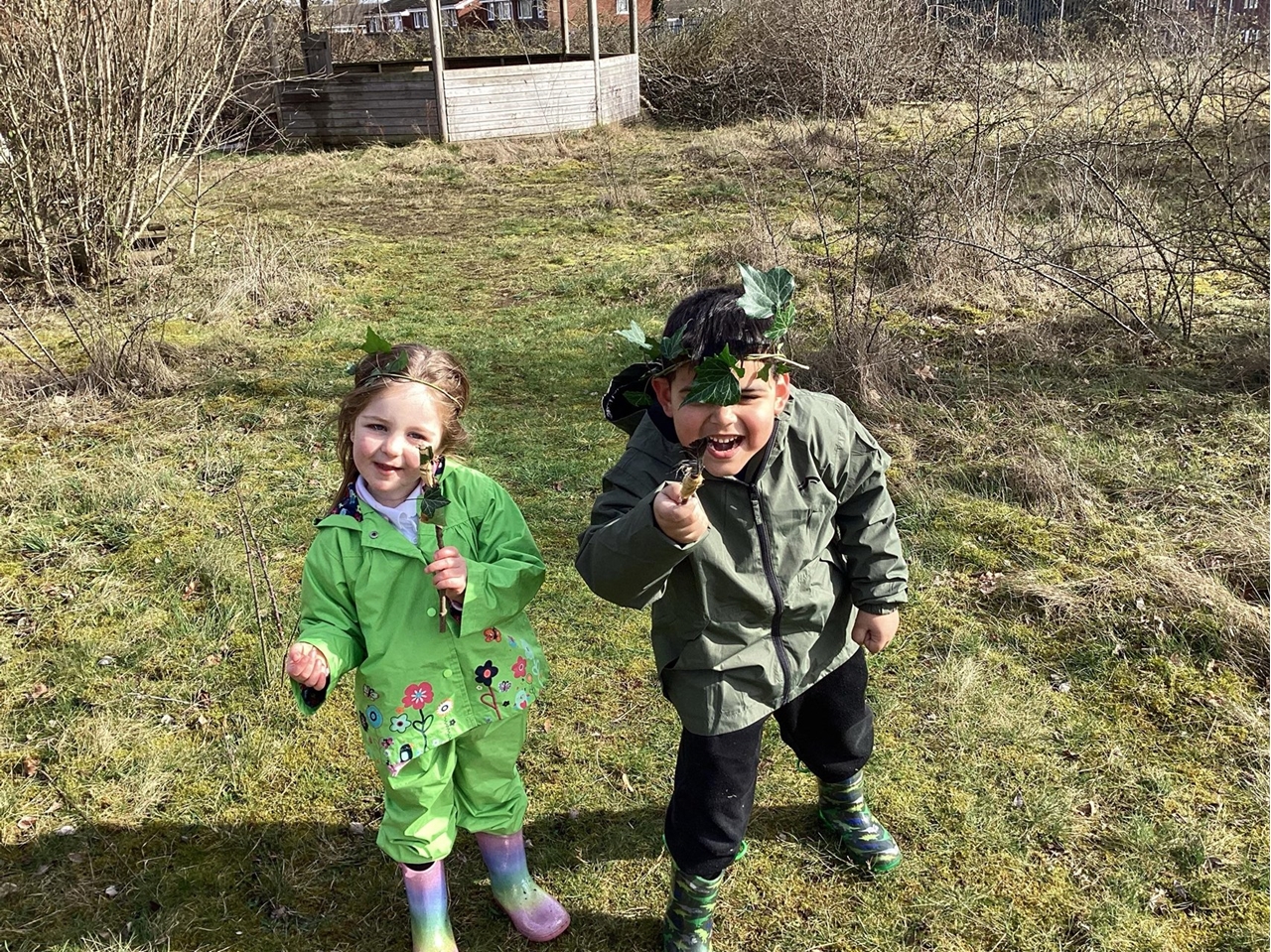
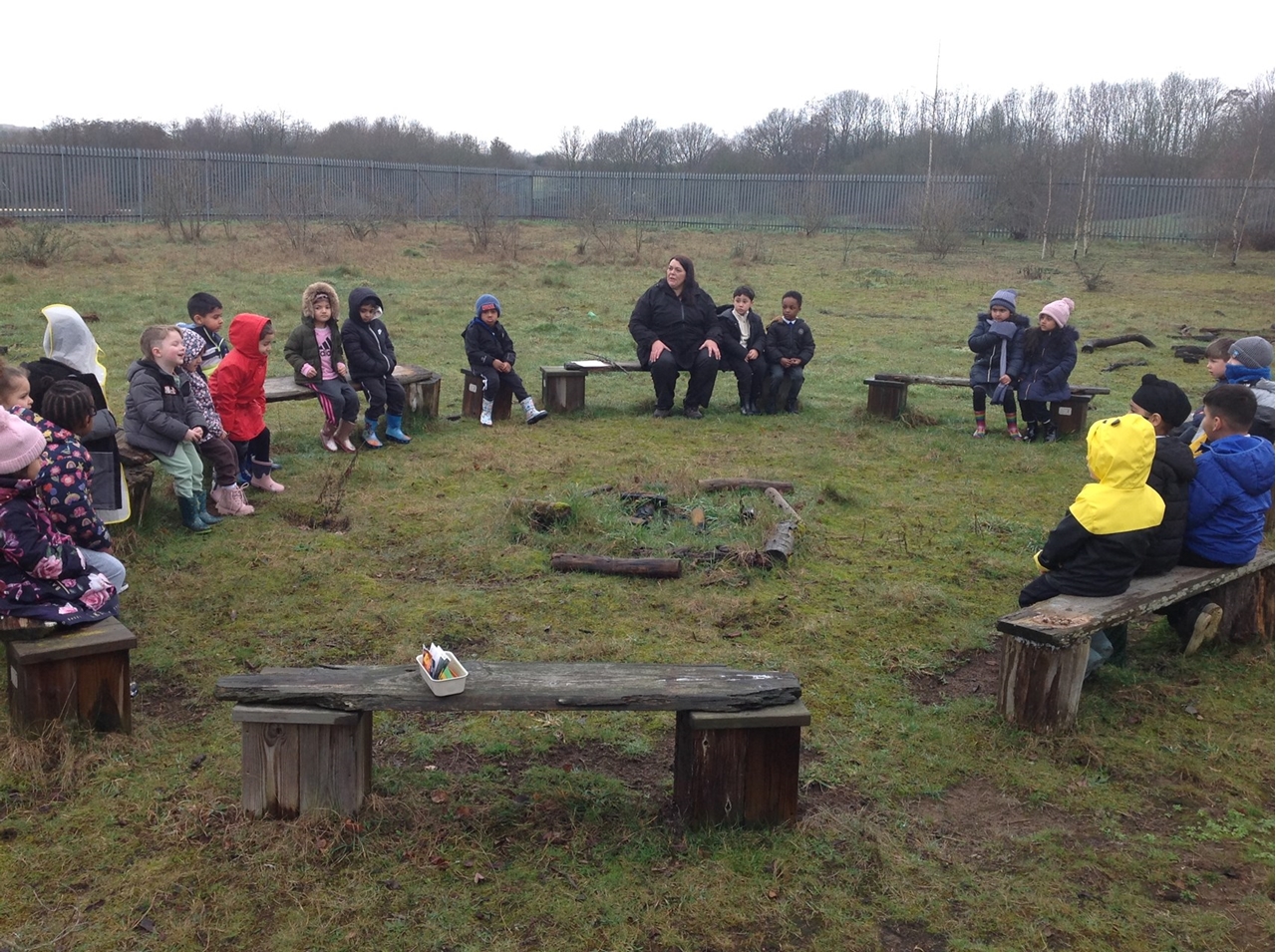
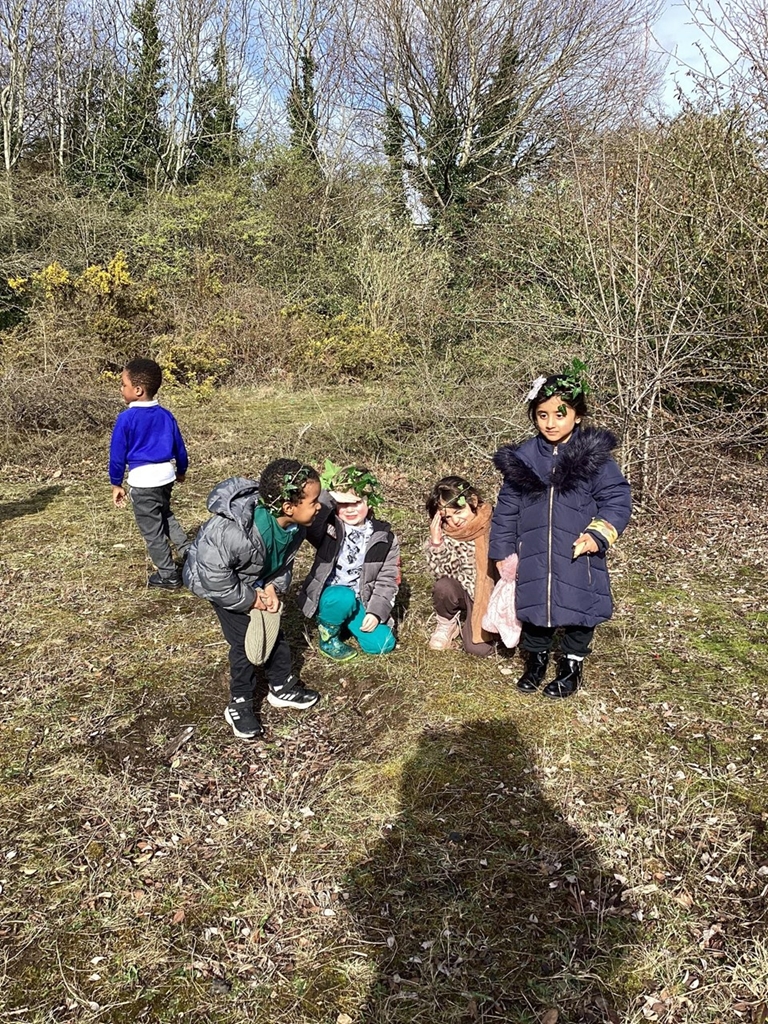
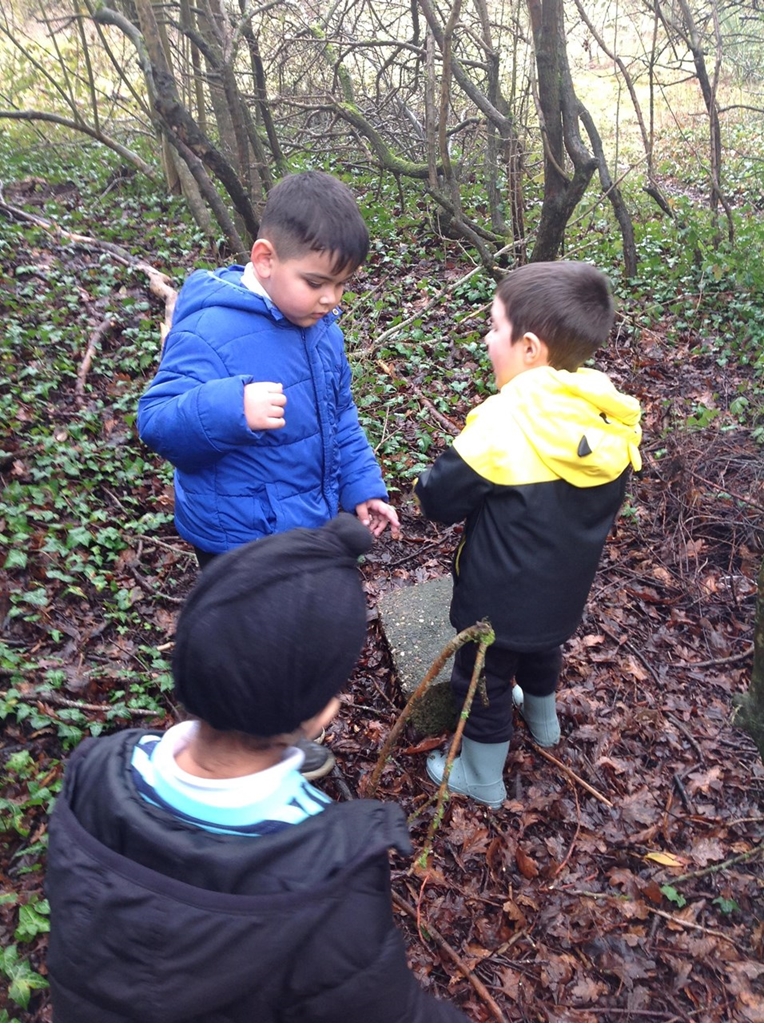
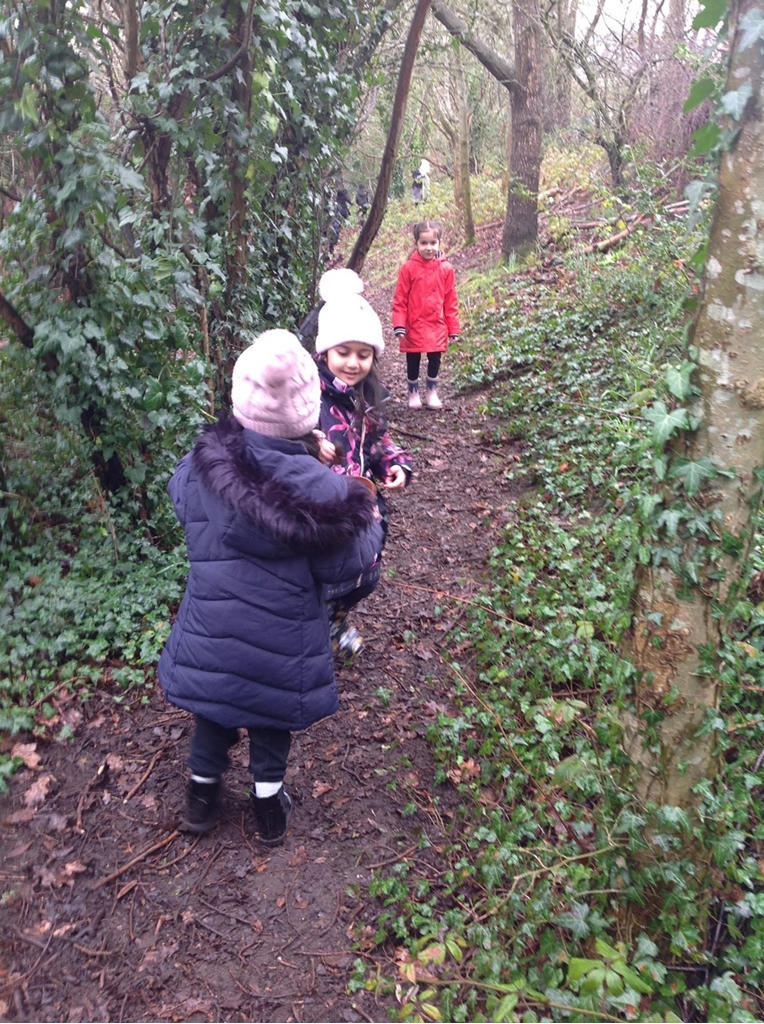
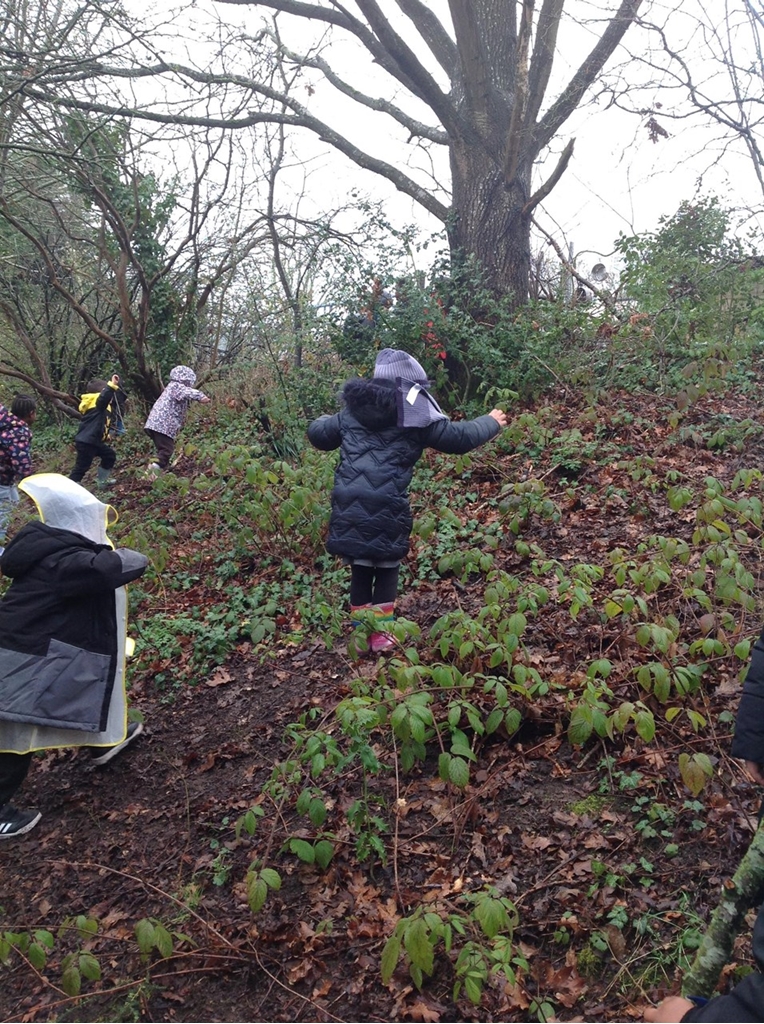
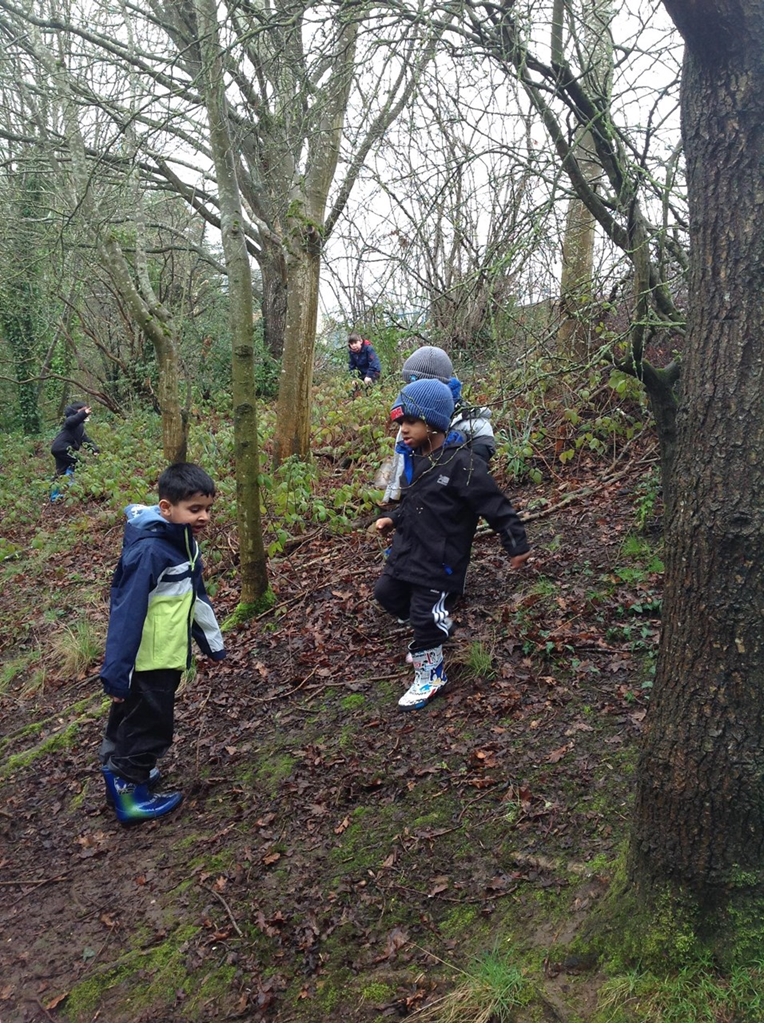
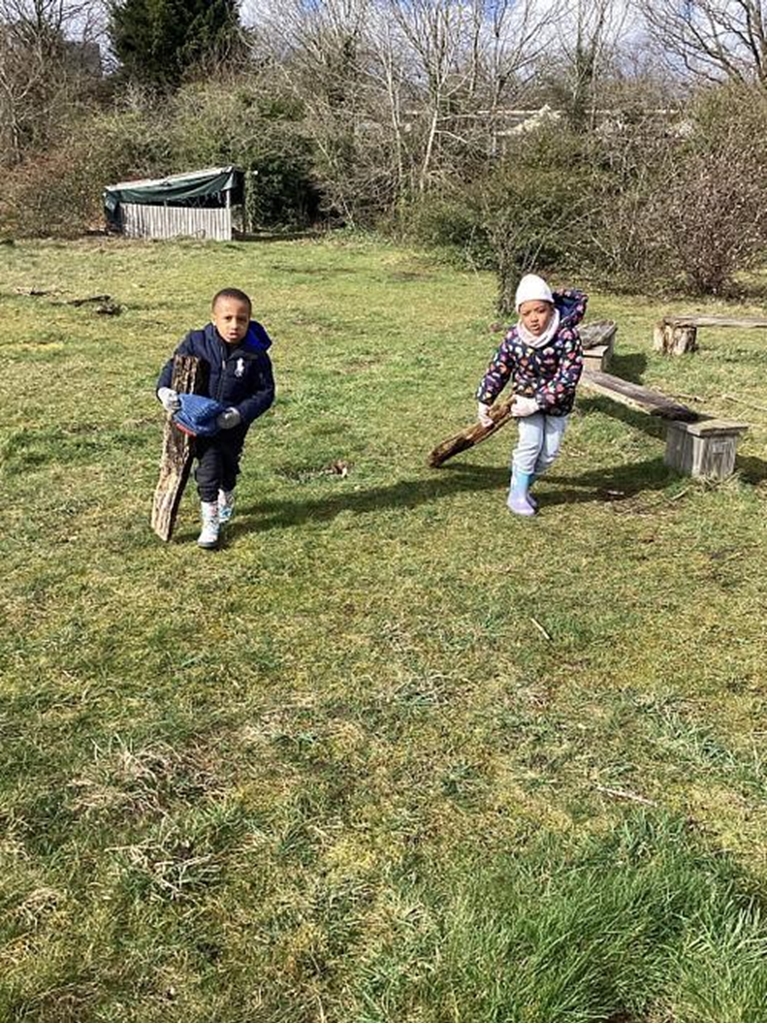
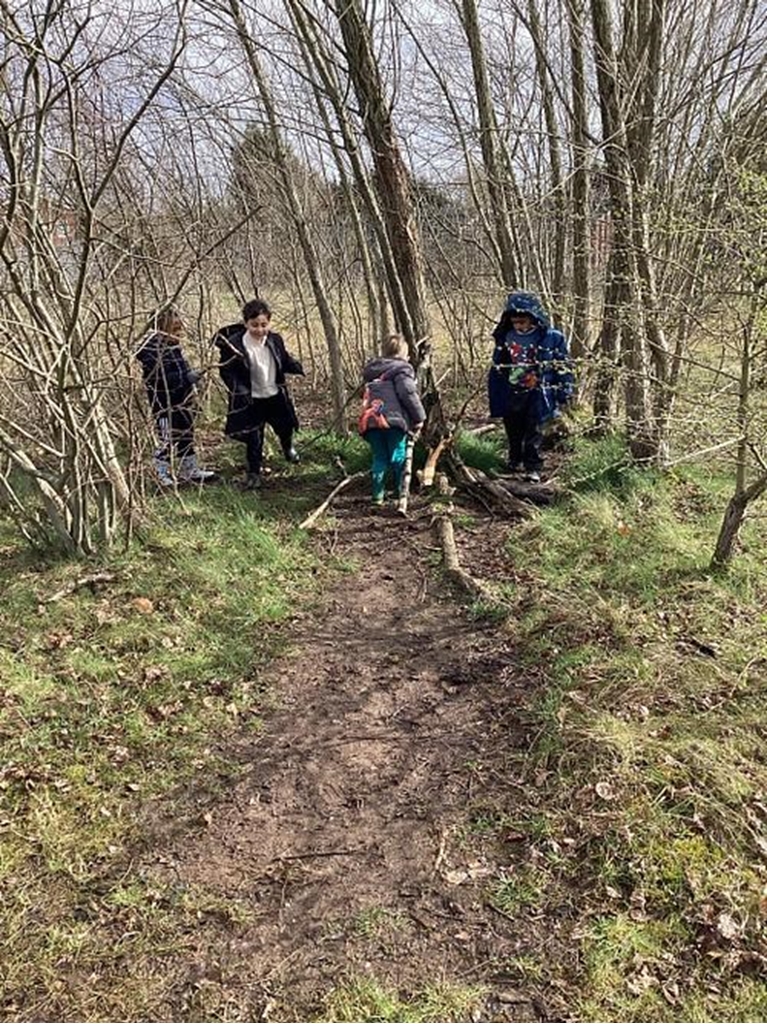
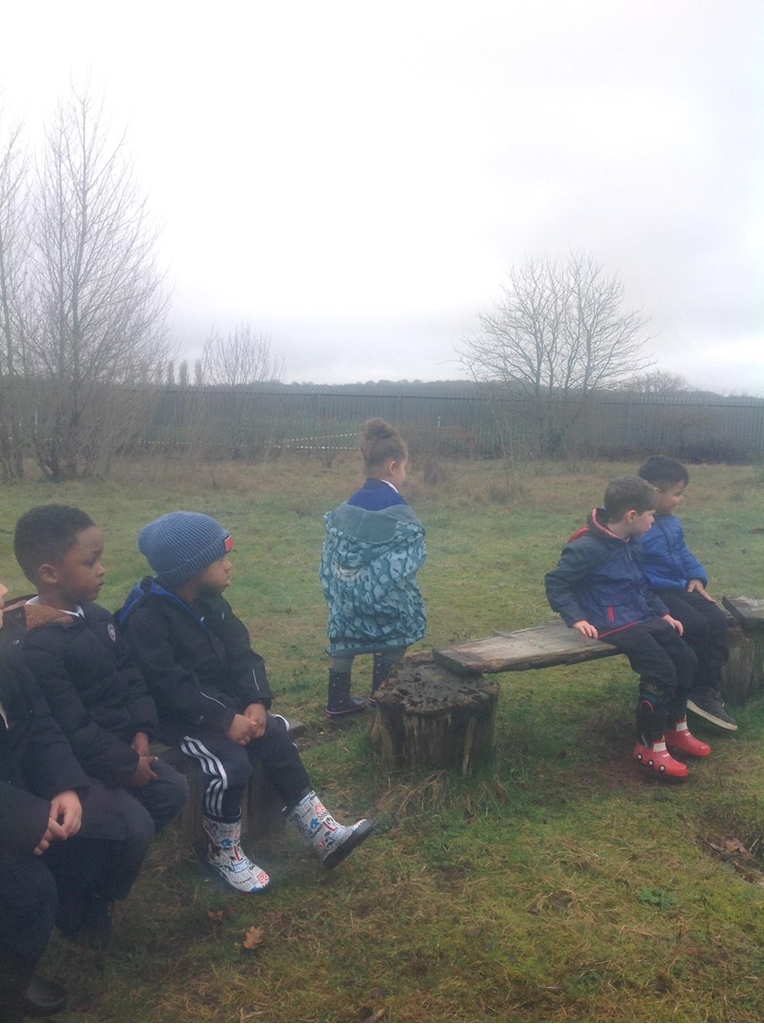
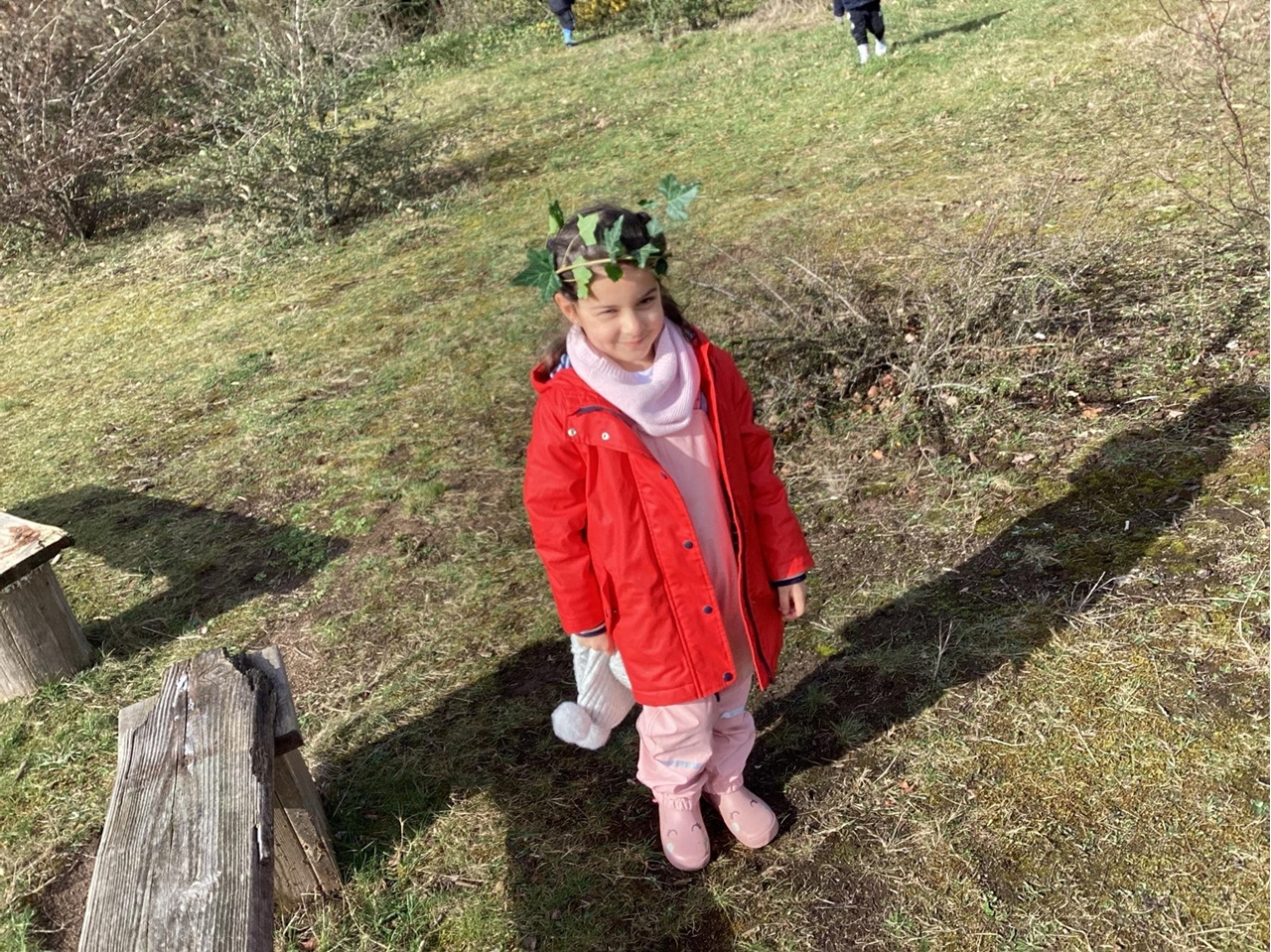
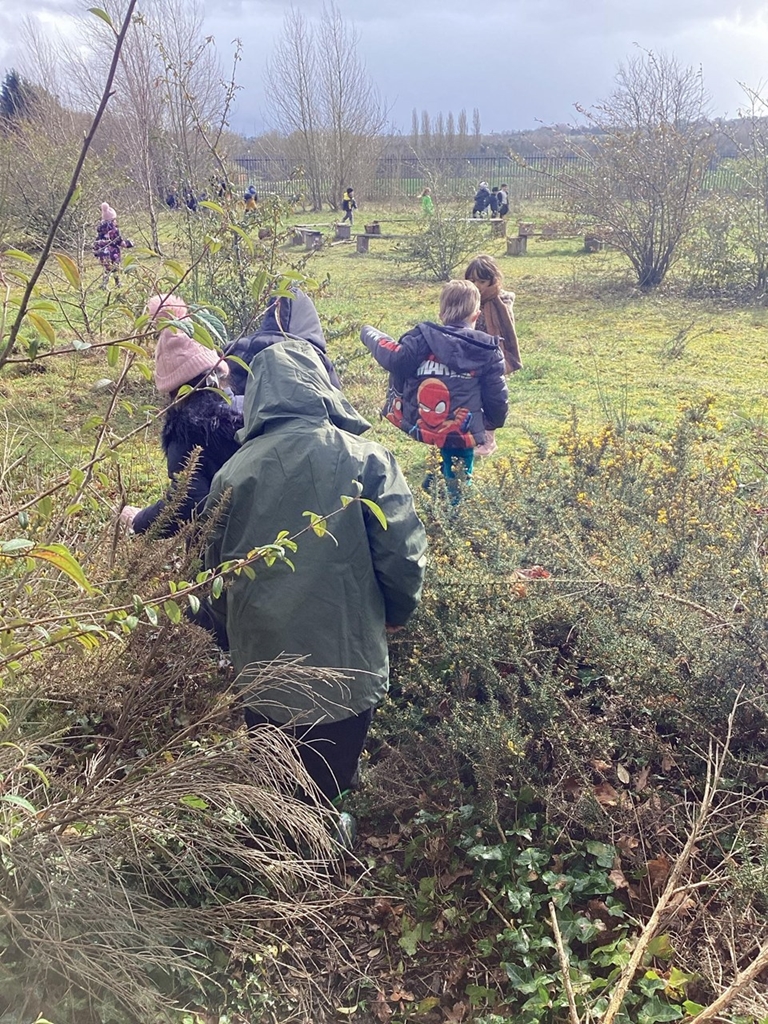
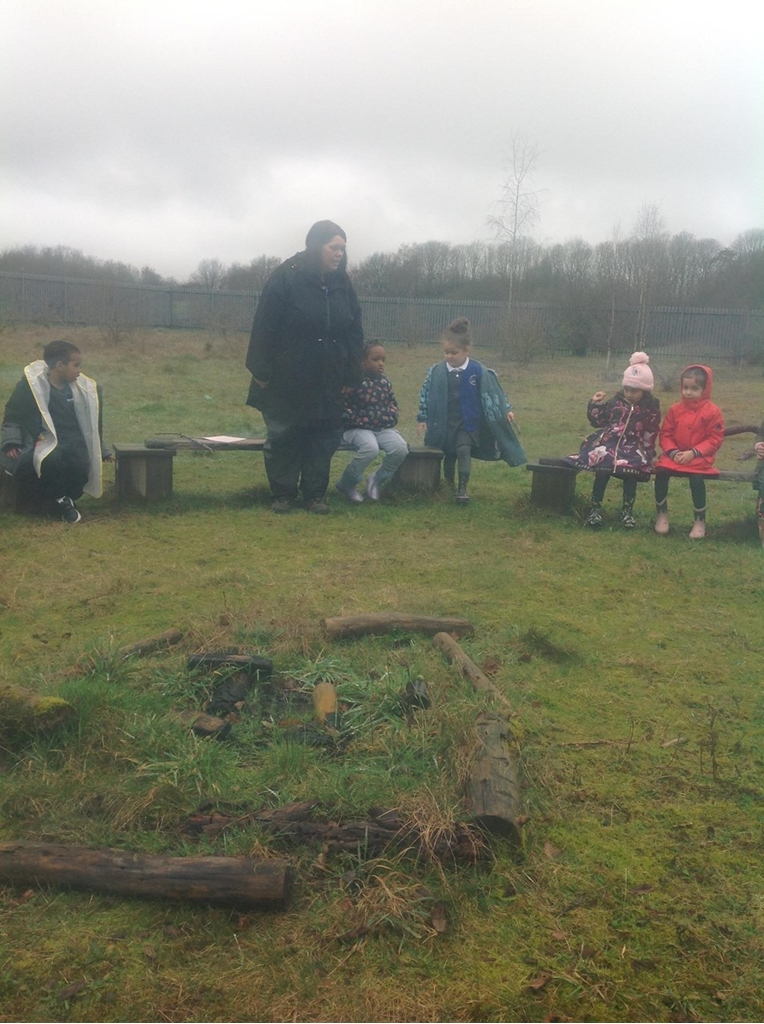
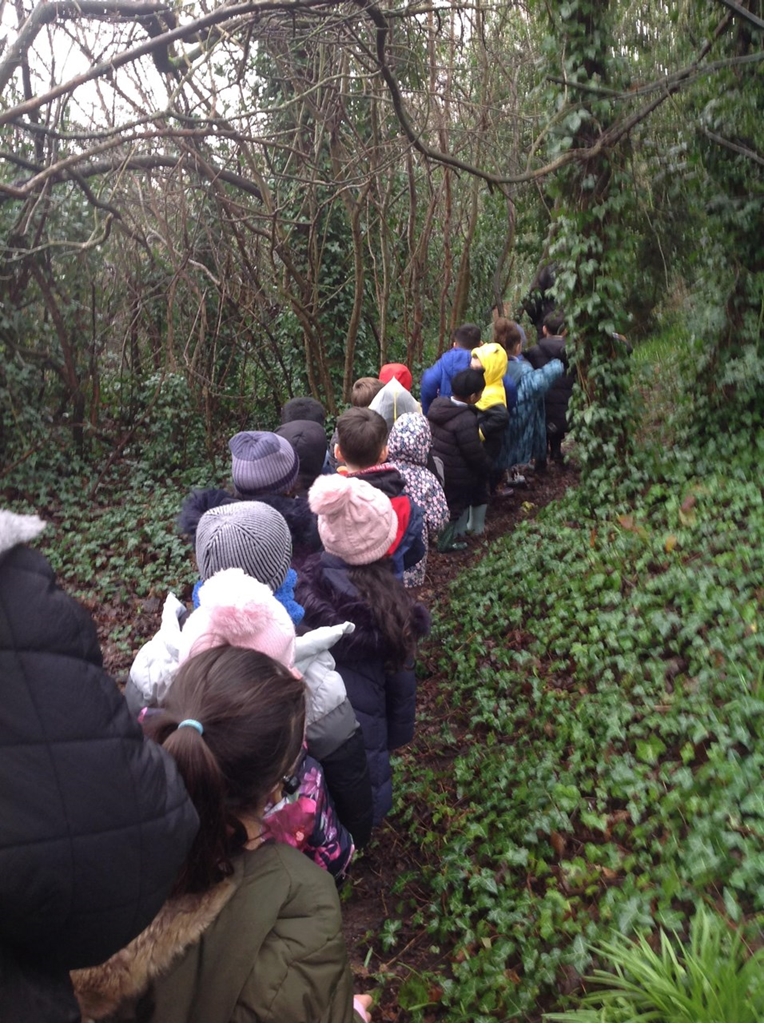
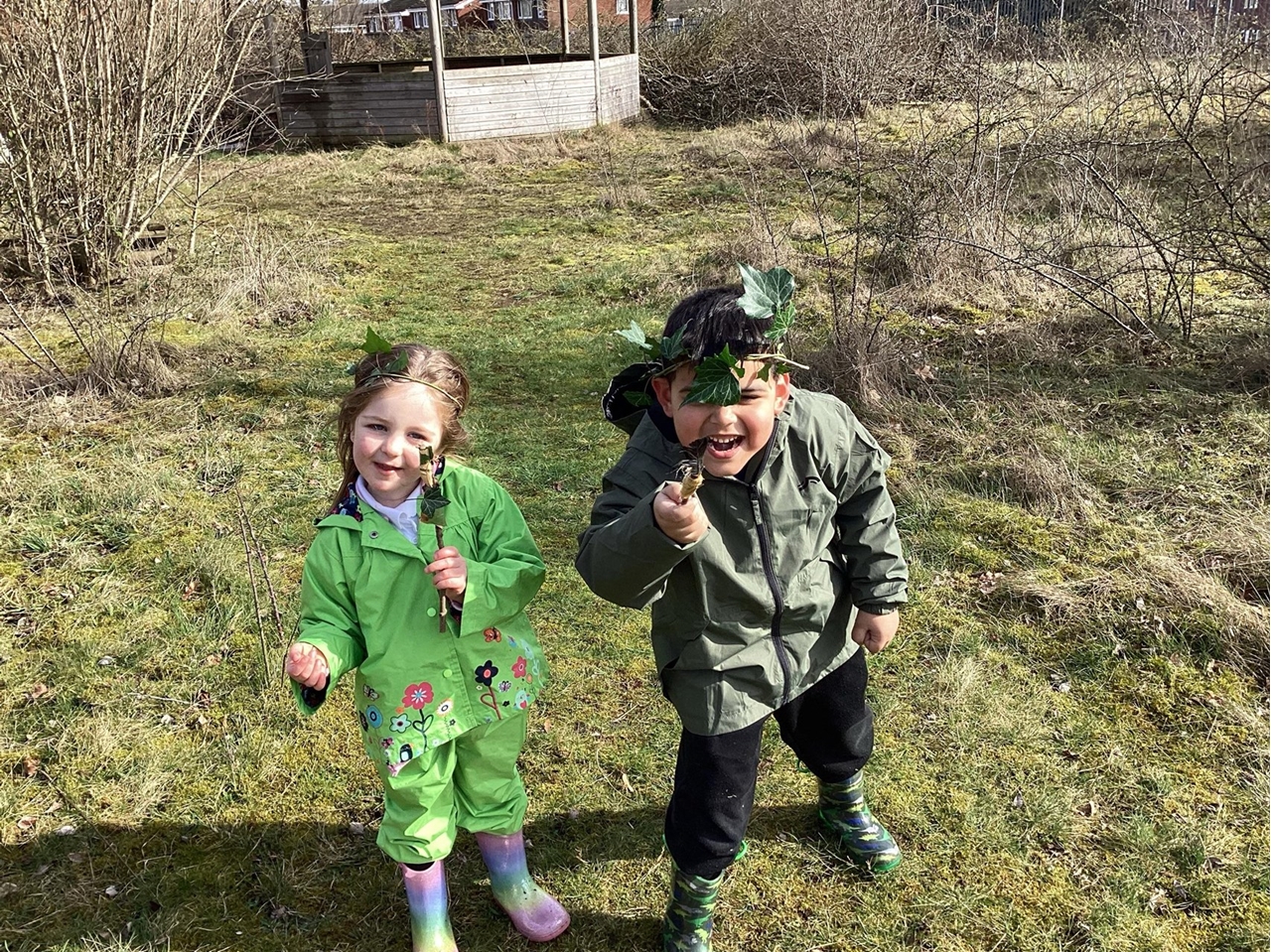
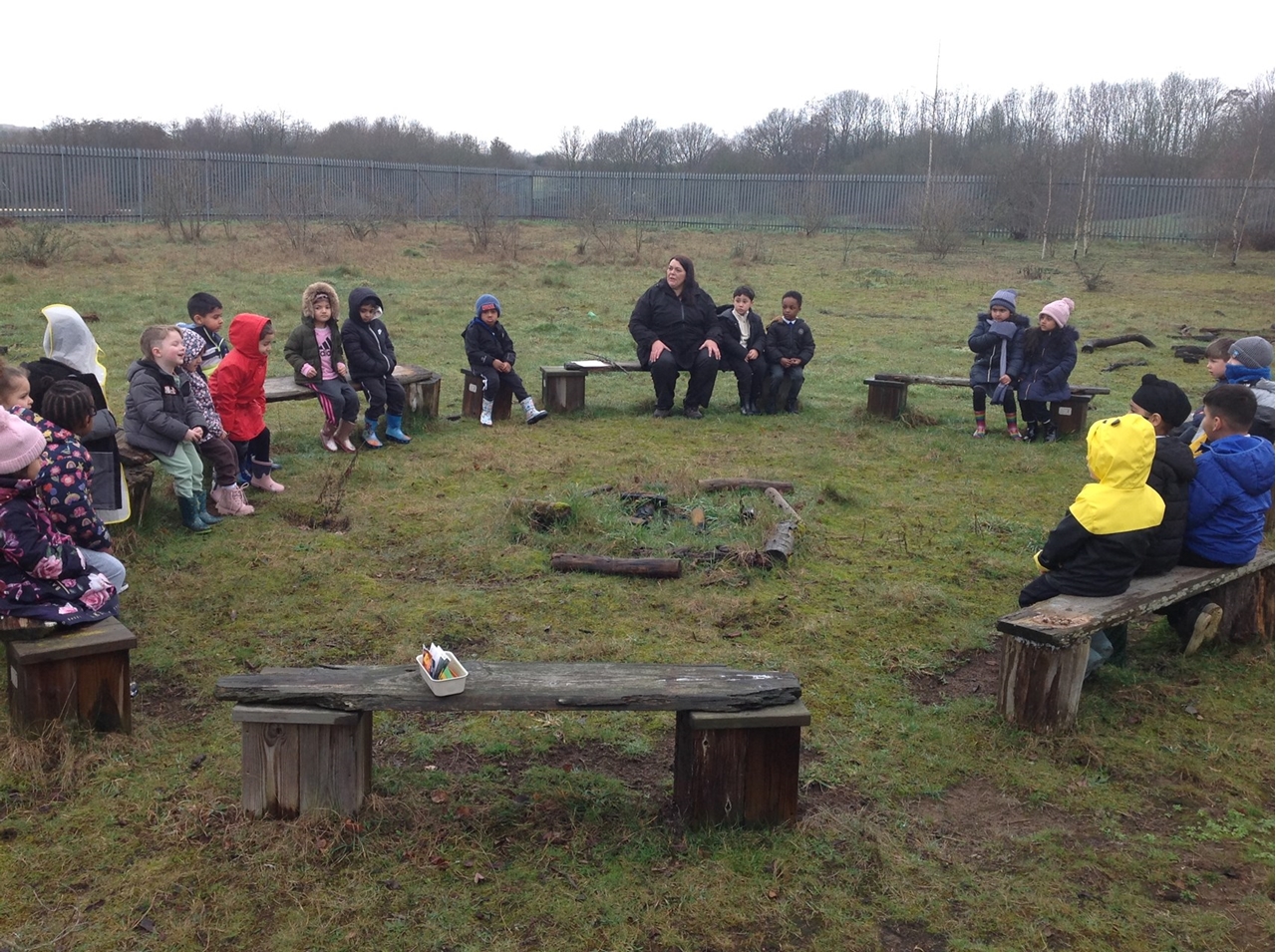
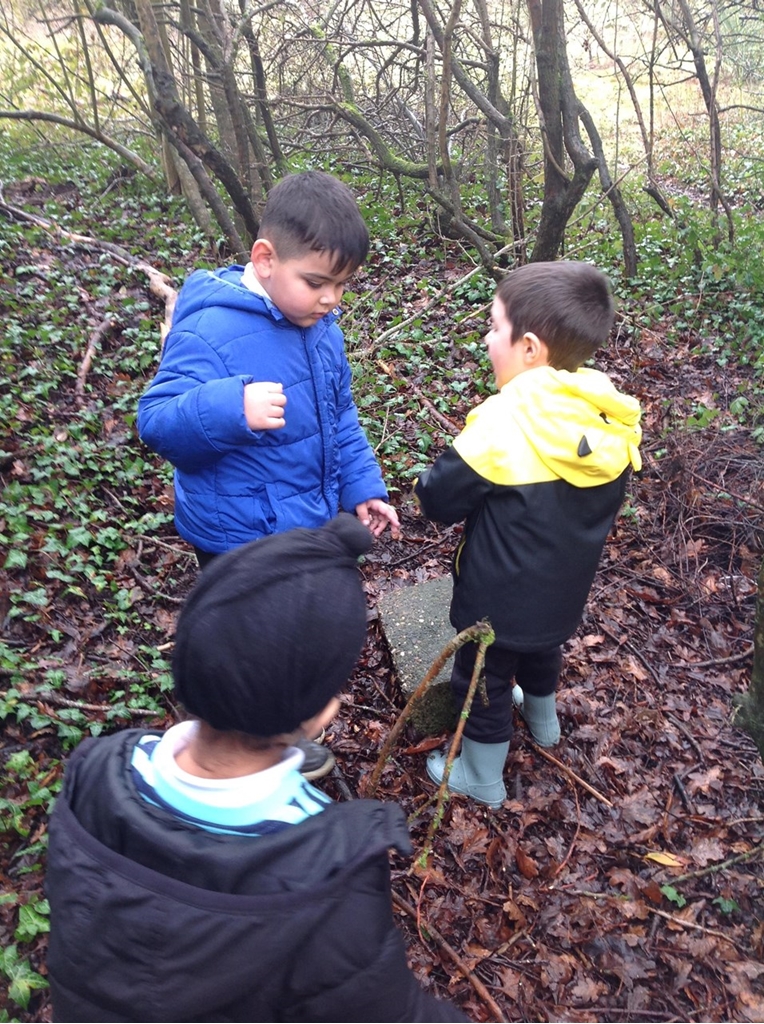
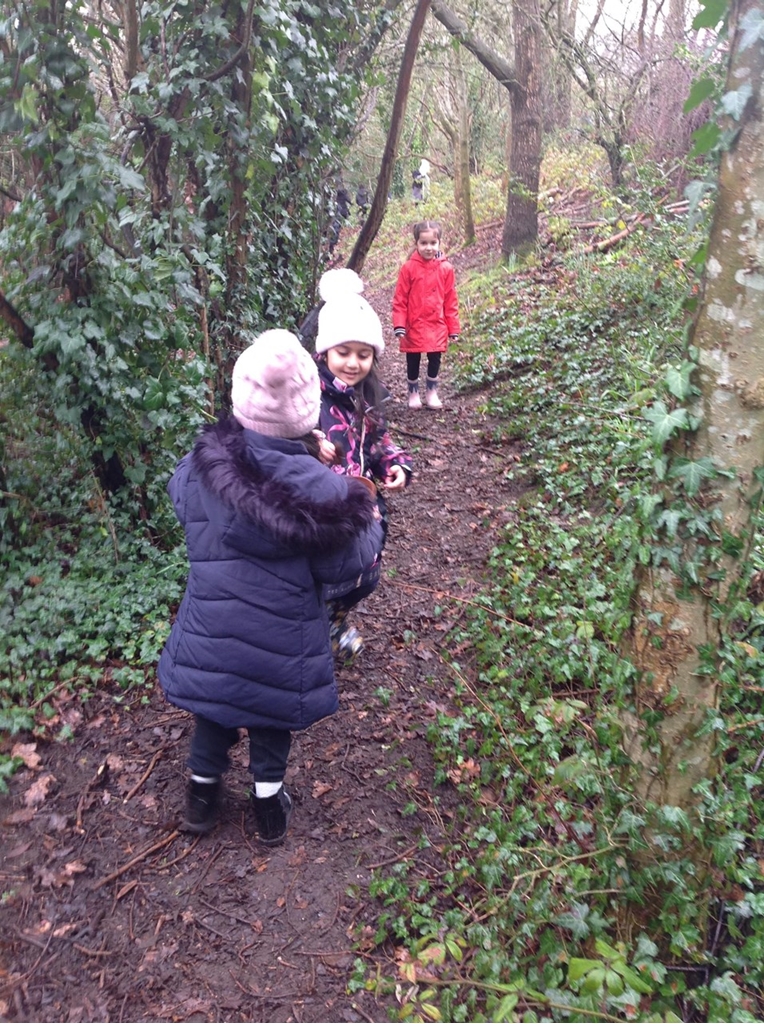
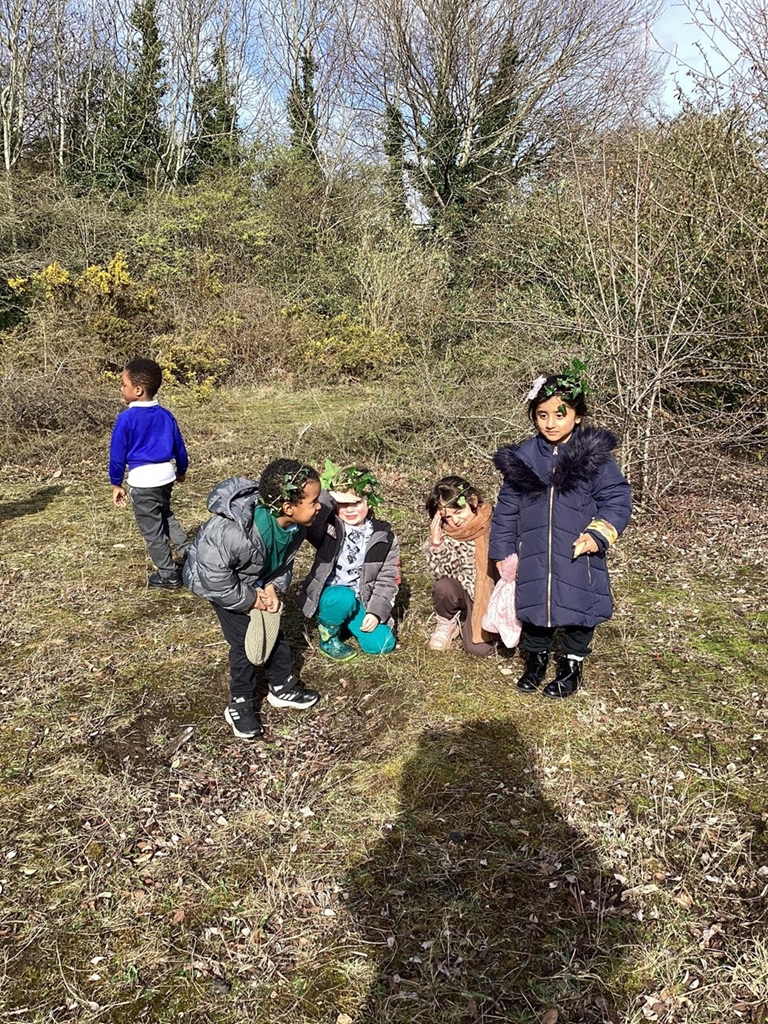
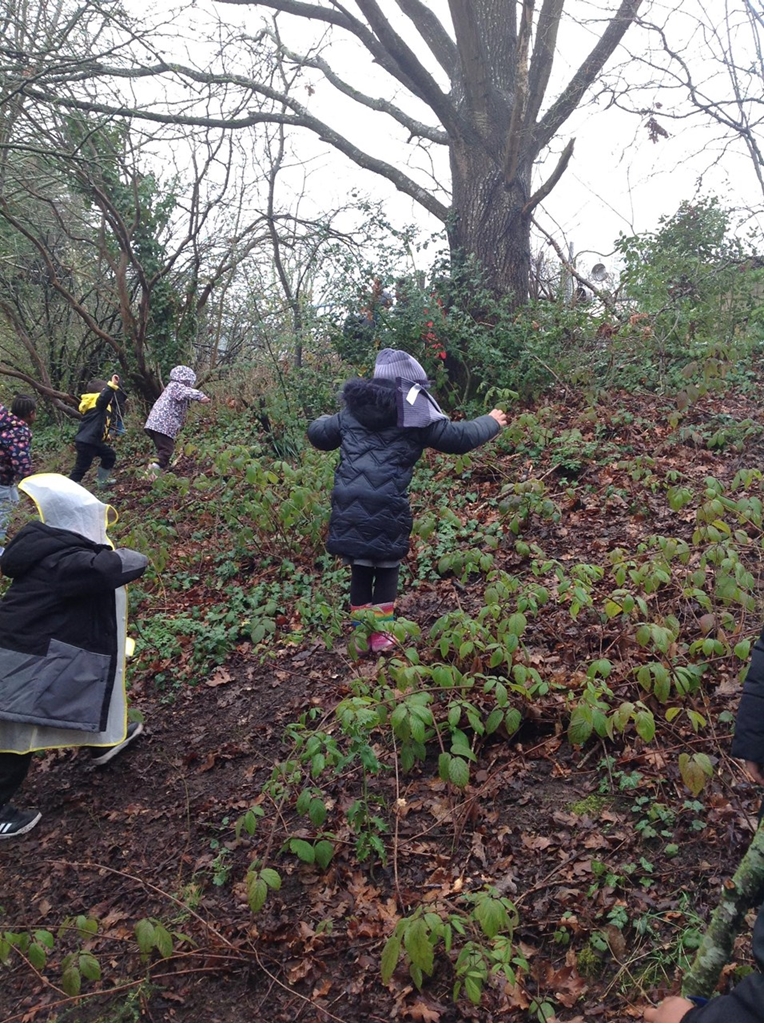
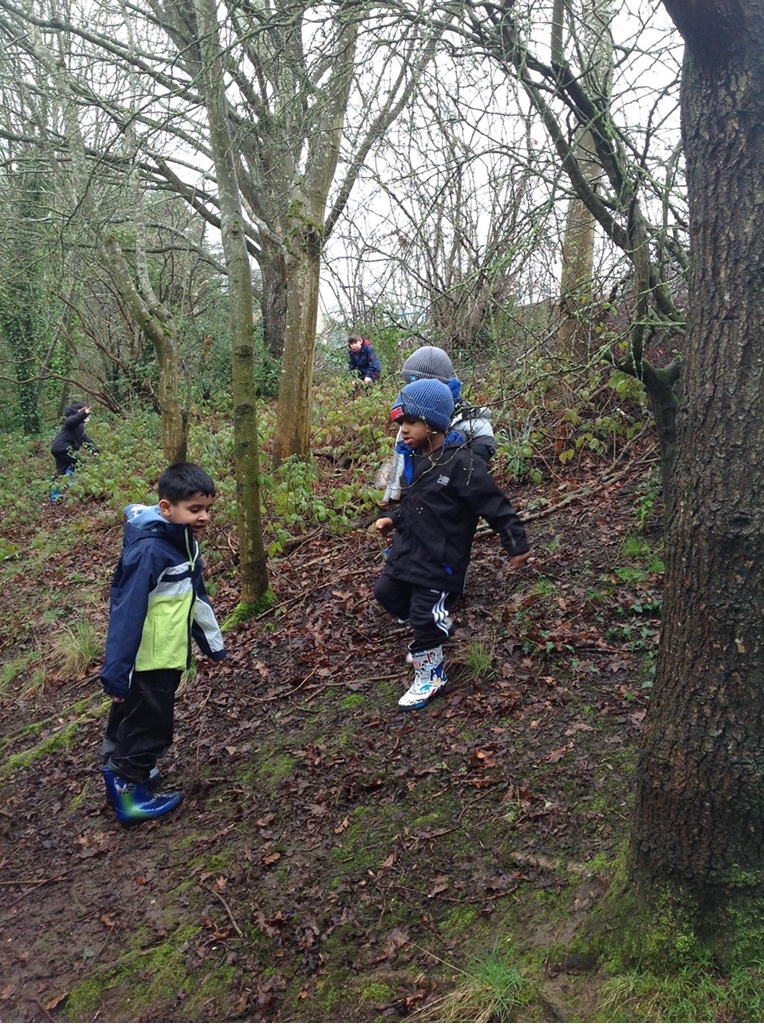
Have a look through some of our photographs to see what children learn about in our environments.
WellComm is a screening tool used by professionals. It helps identify children who might have a language difficulty. Using the WellComm tool children are given a traffic light score of green, amber, red. Children who are green are not considered in need of any extra help. Children who are amber need extra support from you to help develop their language skills. Children who are red need extra help from you to develop their language skills and may require help from a specialist referral.
Please select a link underneath to access tips on how to support your child’s communication at home.
Reading
At Hamstead, we believe that all of our children can become fluent readers and writers and we are committed to ensuring that this is achieved for all of our children regardless of any barriers that they may have to their learning. This is why we have chosen to adopt Little Wandle Letters and Sounds Revised as our systematic synthetic phonics programme.
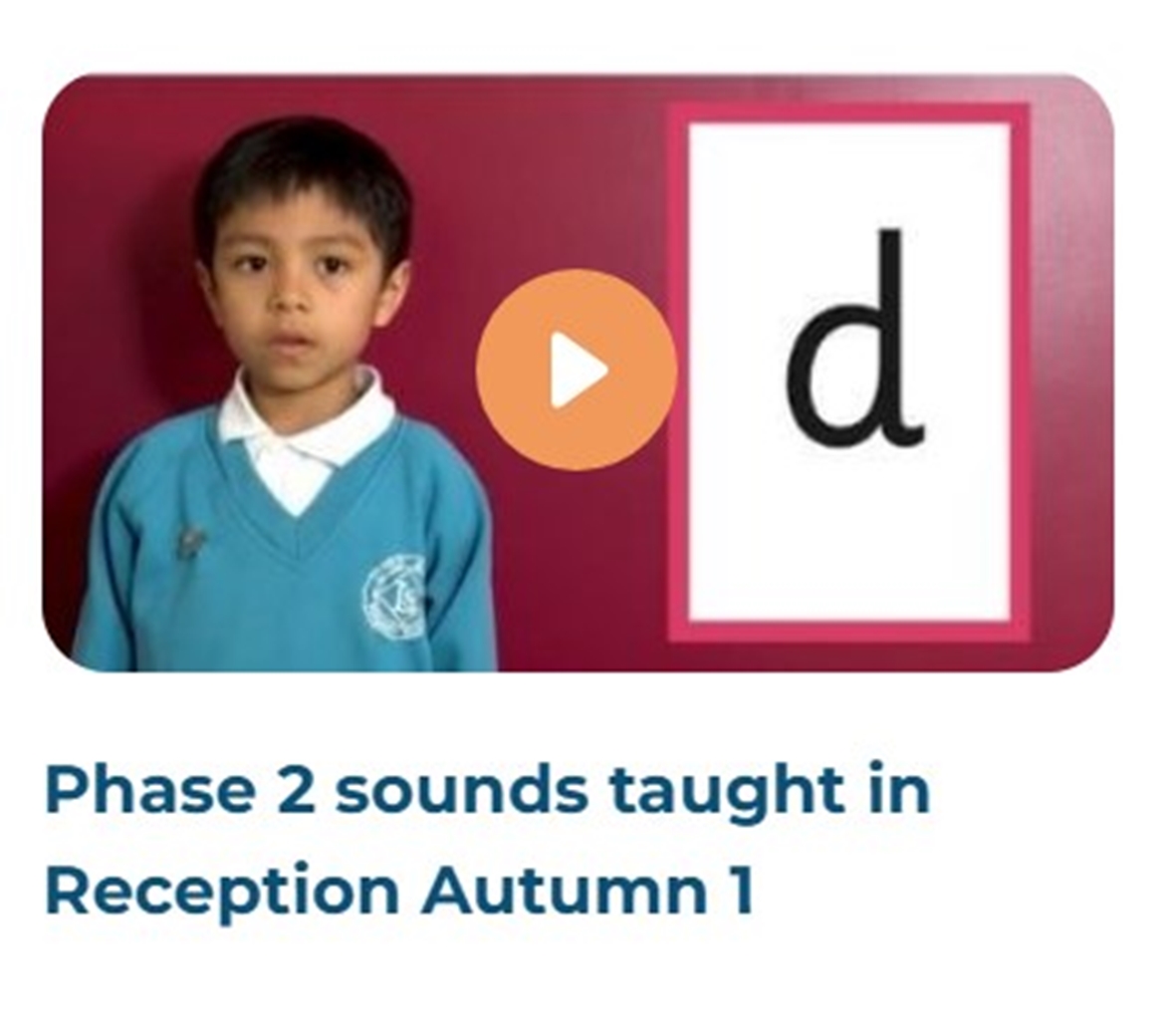
In Reception, children start phase 2 of the Little Wandle phonics programme as soon as possible after starting Reception, usually week 2 of the Autumn term when children are settled in their new surroundings. Phase 2 teaches children the first 32 phonemes (36 graphemes) and follows a carefully sequenced progression so that children are able to start to read and write as soon as reasonably possible.
Phonics is delivered every day in Reception so that children have plenty of opportunities to revisit, practice and apply their phonic knowledge. Repeated practice is also provided in morning tasks and within the provision in the classroom. It is very important that children learn to pronounce the phonemes correctly. Where children pronounce the phonemes incorrectly or use letter names, they will not be able to successfully blend to read words.
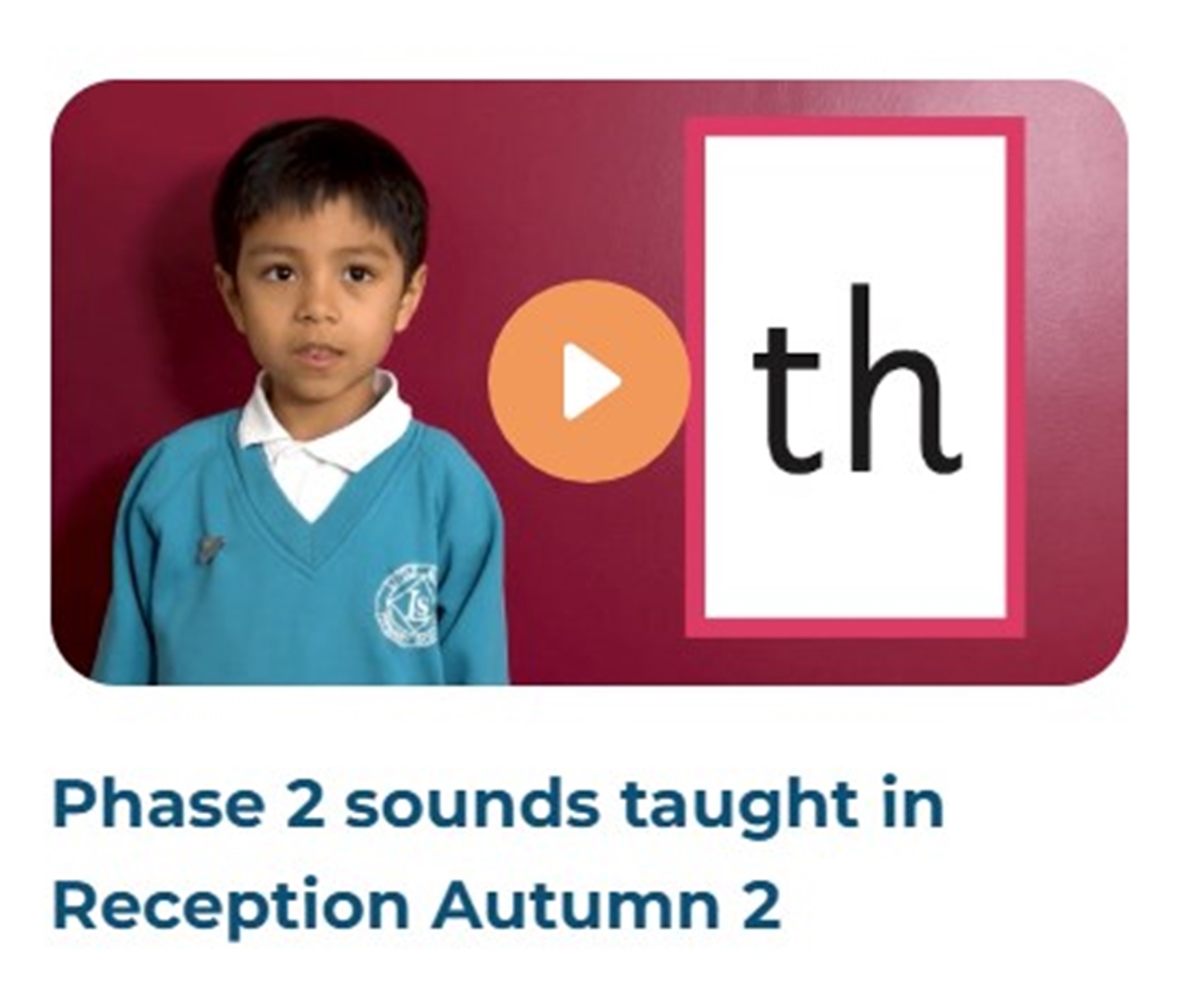
These guides and videos will show you how to pronounce all of the Phase 2 phonemes. You can use these with your child at home to help them with their pronunciation of phonemes and recognition of corresponding graphemes. Parents will also be invited to attend a phonics meeting with the Phonics Leader in the Autumn Term.
Click on the link below to find videos and resources on the parents section of the Little Wandle website
https://www.littlewandlelettersandsounds.org.uk/resources/for-parents
By the end of the Autumn Term, we aim for all children to be able to blend to read words with Phase 2 sounds. As part of our commitment to ensuring all children can read and that no child is left behind, we will monitor how children are keeping up with the daily phonics sessions and will provide daily keep up sessions as and where needed.
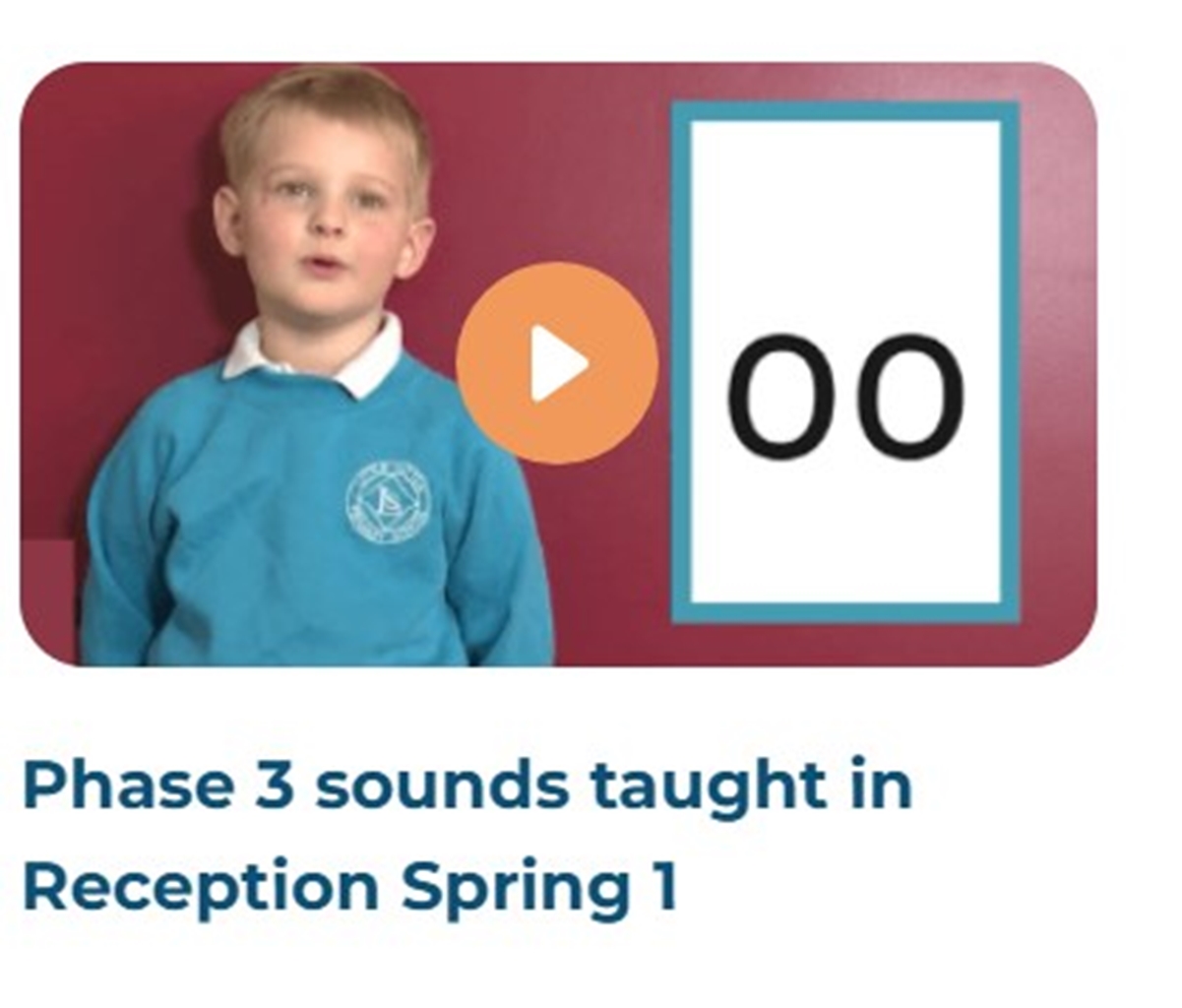
In the Spring Term, children will progress through Phase 3 of the programme, learning many new phonemes and graphemes including digraphs (2 letters making 1 sound, and trigraphs, 3 letters making 1 sound).
This link will provide support in the pronunciation of the phase 3 sounds: For parents | Letters and Sounds
Once children have been taught all of the phase 2 and phase 3 phonemes and graphemes they will move onto reading longer words and increasing their fluency.
Kinetic Letters® is a handwriting programme for use in primary and secondary schools.
Four main threads of:
It enables children to develop legible handwriting that is produced quickly and automatically. With the development of automaticity, handwriting becomes a valuable tool and not a hindrance to learning.
The Kinetic Letters® font covers all the letters in the alphabet and is based on a set of rules that have been made as simple as possible to enable fast learning. The order in which letters are taught recognises the cognitive development of children.
The programme can be used with any reading programme including phonics. Initially reading and writing are taught separately (as recommended by phonics programmes); later on, reading and writing are combined.
Strength: Writing is a fine finger operation; children must have core body and arm strength to be able to control their fingers precisely.
Pencil hold: The pencil/pen grip must be comfortable to allow writing for long periods (eg exams often last for hours). Pens and pencils with a triangular cross-section assist in developing the correct hold.
Letter formation: The movements to form the letters begin with whole body movements and progress through writing in sand trays to writing on whiteboards and finally writing on paper. In Kinetic Letters®, all the letters and numbers are formed by one of two monkeys, a brave one (Bounce) who goes to the top branch of the tree, and a scared one (Skip) who goes to the lower branch.
Flow and fluency: Letter movements are minimised to help a fast writing style to develop. There are no lead-in strokes (a waste of time and effort).
Termly Overviews
Enrichment
| Autumn | Spring | Summer |
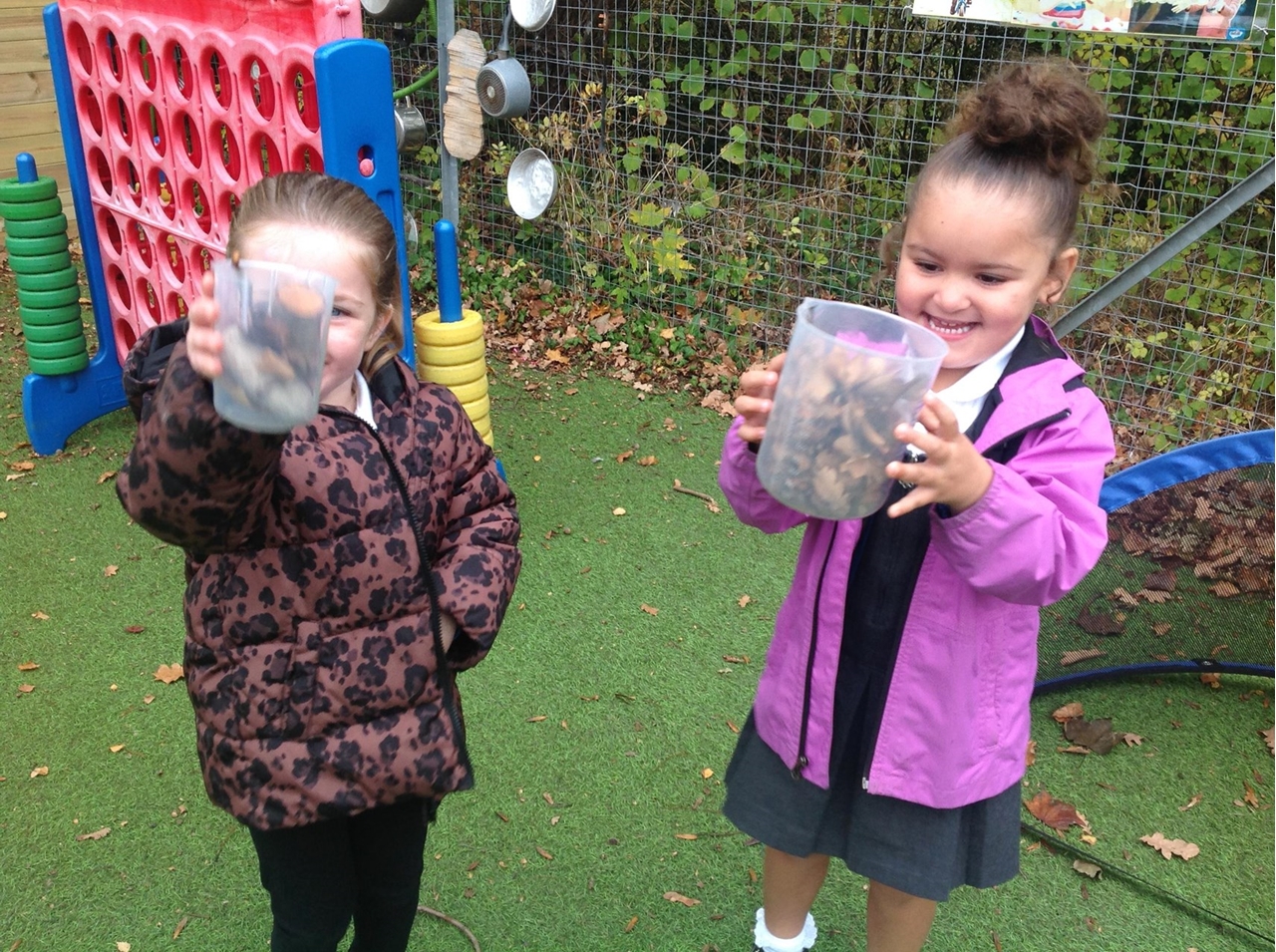
| Signs of Autumn- Sandwell Valley Walk | Signs of Spring- Sandwell Valley Walk | Signs of Summer- Sandwell Valley walk and picnic |
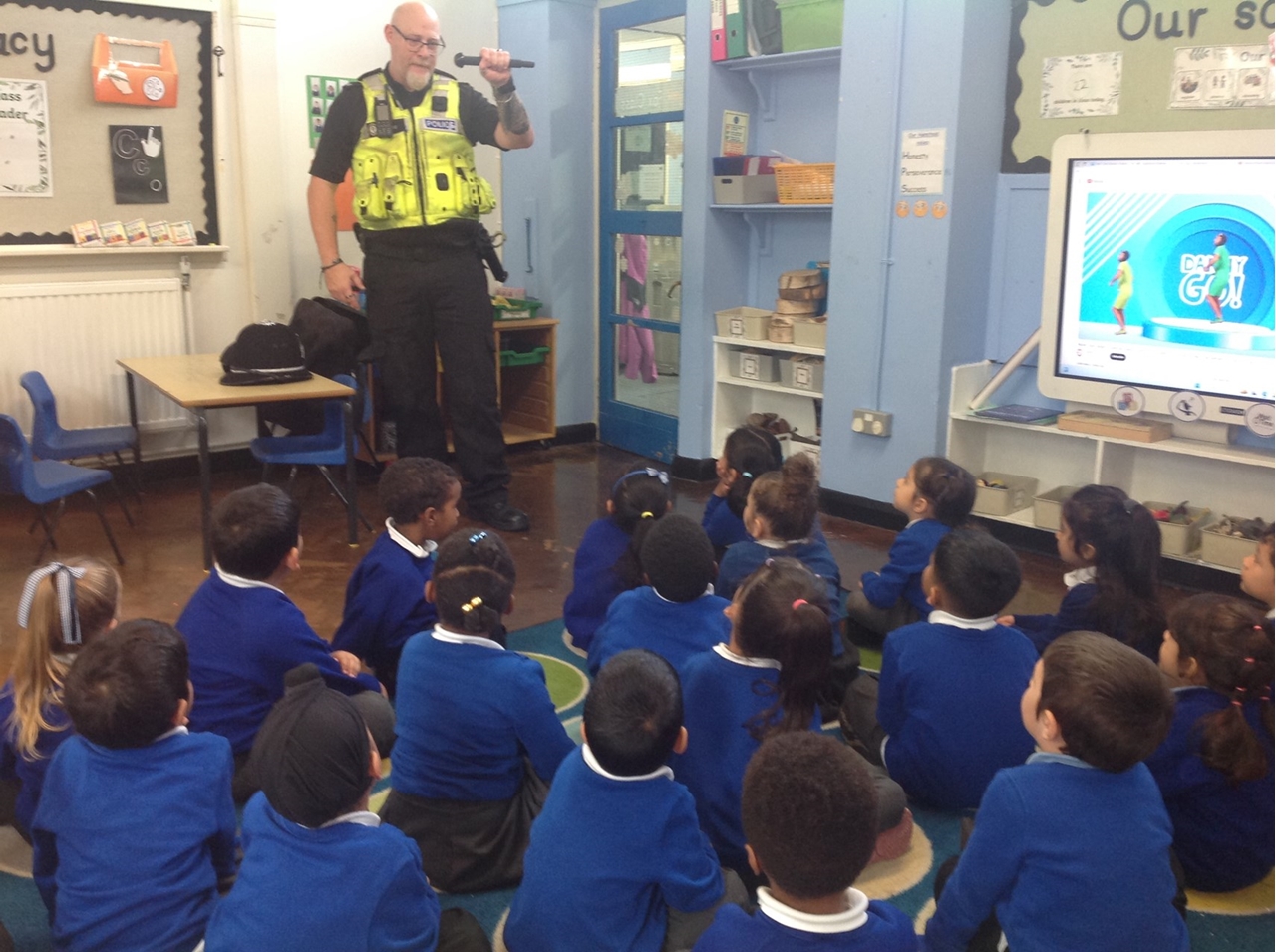
| People who help us- Fire, doctor and police visit | Easter bonnet parade | School trip- visit farm or zoo |
| Christmas craft workshop with parents | EYFS Graduation party/ceremony |
Key Days/Reminders
| PE | Wednesday | Children to wear agreed school PE kit- Black trousers/Black shorts, White polo, School jumper |
| Homework | Weekly | Little Wandle Reading book- Must be heard 3x a week, Reading bus book- Reading for Pleasure |
| Forest School | Friday | Alternating weeks from Spring Term- Kit to be brought in so the children can get changed at school as part of their forest school learning |